The Gemara About Rosh HaShanah part 2, Rosh HaShanah 16a – Uganda Shiur
You may also like
Page 1 of 16
Shiurim at AishDas
by R Yosef Gavriel Bechhofer ·
Fathom Summary:
Meeting Purpose
To explain the spiritual significance of Rosh Hashanah and its associated rituals.
Key Takeaways
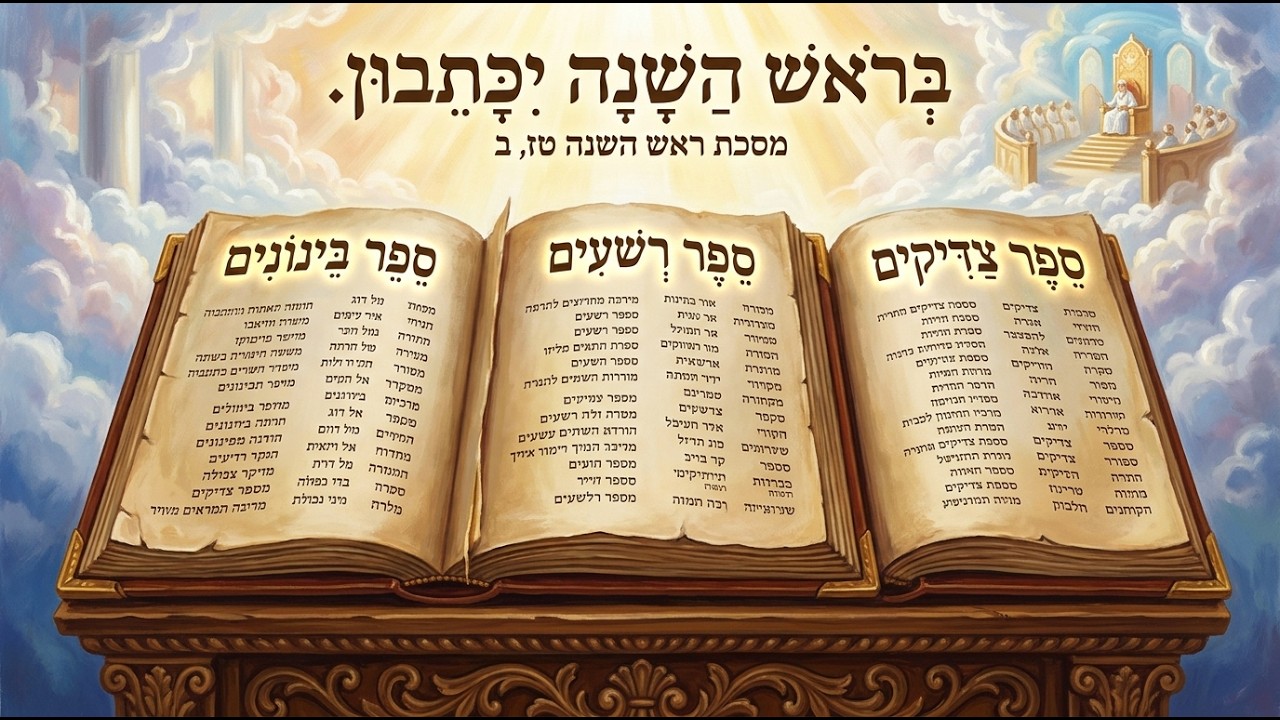
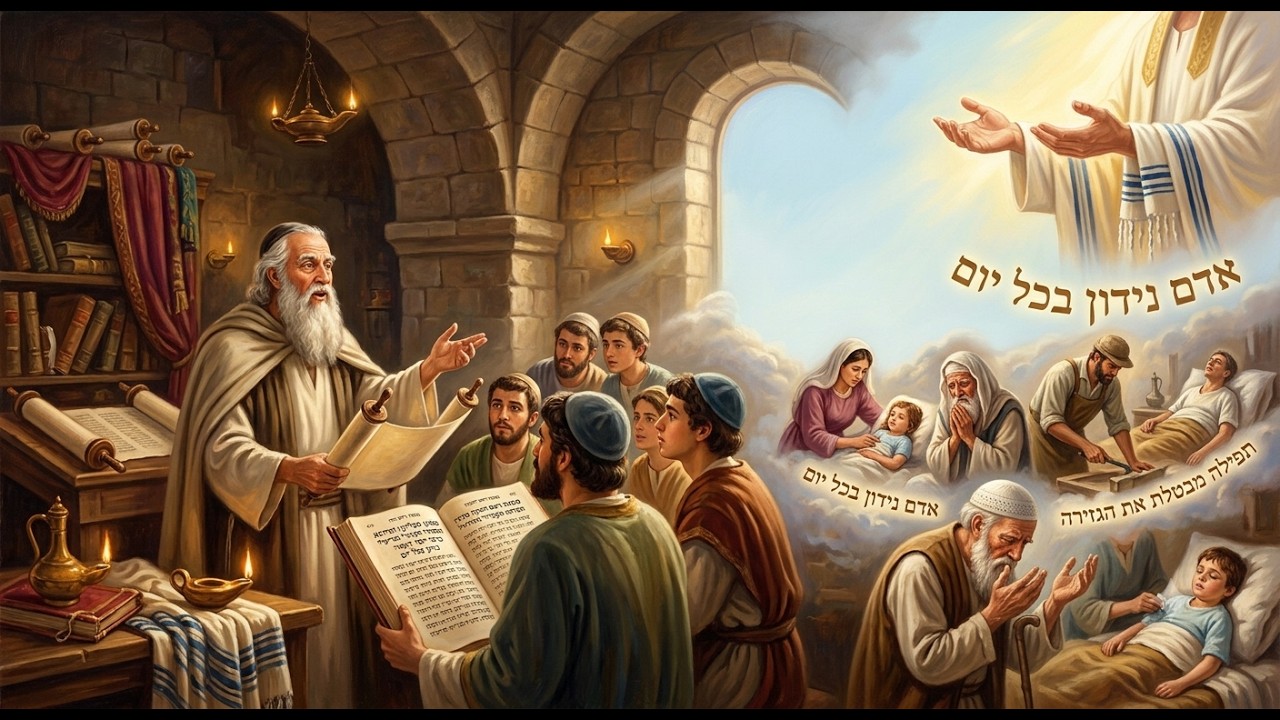
– Daily Prayer Justified: Daily prayer for the sick is justified by two views: Rabbi Yosef (daily judgment) or Rabbi Yitzchak (annual judgment, but prayer can still alter the decree).
– Holidays as Judgment Days: Pesach (grain), Shavuot (fruit), and Sukkot (rain) are judgment days with specific rituals (Omer, Two Loaves, Water Libation) to secure a good decree.
– Rosh Hashanah’s Core Ritual: The shofar blast on Rosh Hashanah is a spiritual tool to secure a favorable judgment by evoking the Akedah (Binding of Isaac) and crowning God as King.
– Pre-Musaf Shofar’s Purpose: Blowing the shofar before the main Musaf prayer is a strategic act to “confuse the Satan,” demonstrating eagerness for judgment and disarming the accuser.
Topics
The Principle of Judgment & Prayer
– Problem: Why pray daily for the sick if judgment is annual?
– Solution 1 (Rabbi Yosef): Judgment is a daily process, making daily prayer directly relevant.
– Solution 2 (Rabbi Yitzchak): Judgment is annual, but prayer can still alter the decree post-sentence, though it is harder.
Judgment Days & Their Rituals
– Pesach (Passover): Judgment for grain.
– Ritual: The Omer offering (barley).
– Rationale: Barley is a humble offering, distinct from wheat, to secure a blessing for the grain harvest.
– Shavuot: Judgment for tree fruits.
– Ritual: The Two Loaves offering (wheat).
– Rationale: Wheat is offered to atone for the sin of Adam, who is traditionally believed to have eaten from a “wheat tree.”
– Sukkot: Judgment for rain.
– Ritual: The Water Libation.
– Rationale: Pouring water on the altar is a symbolic prayer for abundant rain in the coming year.
Rosh Hashanah: The Main Judgment
– Core Ritual: Reciting verses (Malchiyot, Zichronot, Shofarot) and blowing the shofar during the Musaf prayer.
– Purpose: To crown God as King, prompting a favorable remembrance.
– The Shofar’s Significance:
– Akedat Yitzchak (Binding of Isaac): Evokes Abraham’s ultimate devotion, inspiring us and prompting God’s mercy.
– Matan Torah (Giving of the Torah): Recalls the shofar at Sinai, linking our devotion to receiving the Torah.
– Geulah (Redemption): Foreshadows the shofar that will announce the final redemption.
The Shofar’s Sounds & Timing
– The Sounds:
– Tekiah: A long, continuous blast.
– Teruah: A staccato series of short blasts.
– Shevarim: A series of three broken blasts.
– Why all three? The Torah’s command for a “teruah” is ambiguous. We blow all three sequences (Tekiah-Shevarim-Tekiah, Tekiah-Teruah-Tekiah, Tekiah-Shevarim-Teruah-Tekiah) to ensure we fulfill the mitzvah.
– The Pre-Musaf Blowing:
– Why? To “confuse the Satan.”
– How? By blowing the shofar before the main prayer, we demonstrate eagerness for judgment, disarming the accuser and securing a favorable decree.
Please subscribe to my channel.
Please consider sponsoring my videos by contacting me directly or through Patreon,
https://www.patreon.com/rygb








 Avodah